

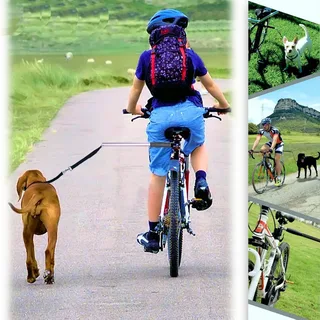
Choosing a bike and dog leash is not just about finding a convenient accessory—it’s about ensuring safety, comfort, and control for both you and your dog. Riding a bike while your dog trots alongside can be a great way to exercise together, but it requires the right equipment to prevent accidents and provide stability. A bike and dog leash is specifically designed to keep your dog at a safe distance, prevent entanglement, and reduce the chances of sudden pulls that could cause loss of balance. Knowing what features matter most will help you select a leash that supports safe and enjoyable rides.
Evaluating Safety as the Top Priority
Safety is the most important factor when choosing a bike and dog leash. A leash designed for biking must keep your dog far enough from the wheels to avoid contact while maintaining a consistent distance. It should prevent sudden tugs that could throw you off balance and should keep your dog from darting ahead unexpectedly. Look for leashes with mechanisms that reduce shock and absorb pulling forces. A properly designed leash prevents collisions, protects your dog from running too close, and ensures that both of you remain secure throughout the ride.
Considering the Type of Attachment
Bike and dog leashes typically attach to the bike frame or seat post. Understanding the difference helps you choose a design that feels stable and comfortable. Frame-attached leashes offer better balance because they absorb your dog’s movements without affecting the handlebars. This allows you to maintain direction without sudden jerks. Seat-post attachments can also work well but might transfer more pull through the bike’s rear area. Selecting the best attachment style depends on your bike type, riding habits, and the level of control you want during your outings.
Choosing Durable and High-Quality Materials
Durability is essential because bike rides expose equipment to movement, tension, and outdoor conditions. Strong, weather-resistant materials help the leash withstand wear over time. Stainless steel bars, reinforced nylon straps, and heavy-duty connectors ensure your dog cannot break free and that the leash remains secure at fast or slow speeds. Material quality also affects comfort; flexible yet strong materials reduce pressure on your dog while ensuring you remain in control.
Understanding Your Dog’s Behavior and Size
Every dog behaves differently during outdoor activities, and this should influence your choice of leash. Energetic or larger dogs require a sturdier system that handles pulling forces, while smaller dogs may benefit from a lighter, more flexible design. Younger dogs might need more stability and guidance, while trained dogs may adapt quickly. Observing your dog’s tendencies—such as whether they chase distractions, pull frequently, or stay beside you calmly—will help you choose a leash that matches their activity level and personality.
Ensuring Comfort for Your Dog
Comfort is crucial when riding with your dog. A good bike and dog leash should allow natural movement without causing strain. The leash should not pull on your dog’s neck, making harness use a much safer option than collars. Harnesses distribute pressure across the chest and shoulders, preventing injuries during quick stops or sudden turns. Choosing a leash that works seamlessly with a comfortable harness ensures your dog enjoys the activity rather than feeling restricted or stressed.
Assessing Flexibility and Movement Range
A good leash provides balanced flexibility—enough movement for your dog to walk comfortably, but not so much length that they wander into unsafe areas. Some leashes come with flexible bars or springs that create natural distance and offer smooth motion. This flexibility reduces the impact of sudden changes in speed or direction, making the ride smoother for both rider and dog. Ensuring the leash allows a controlled but comfortable movement range supports a safer and more enjoyable biking experience.
Evaluating Ease of Installation and Use
Convenience matters, especially if you regularly switch between biking alone and biking with your dog. A leash that installs quickly and securely saves time and reduces frustration. The attachment mechanism should be intuitive, allowing you to remove or reattach it easily. Simplicity also reduces the chance of improper setup, which is essential for safety. Leashes designed with user-friendly installation features make the experience more pleasant and efficient.
Checking Compatibility With Your Bike
Not all bike and dog leashes fit every bike model. It’s important to check whether the attachment system is compatible with the frame size, shape, and material of your bike. Some leashes work better on standard bicycles, while others are designed for mountain bikes, hybrids, or electric bikes. Ensuring compatibility prevents damage to your bike and ensures the leash stays securely attached during long rides.
Conclusion
Choosing the right bike and dog leash requires thoughtful consideration of safety, comfort, durability, and compatibility. The best leash keeps your dog at a safe distance, protects both of you from sudden movements, and ensures enjoyable rides together. Understanding your dog’s behavior, selecting high-quality materials, and ensuring ease of installation help you make an informed decision. When chosen wisely, a bike and dog leash becomes a valuable tool that encourages healthy exercise, strengthens your bond with your dog, and provides a safe and rewarding outdoor experience for both of you.
