

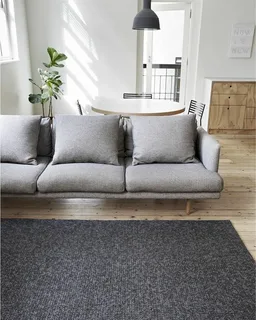
Open-plan living offers freedom. You get light, air, and a seamless flow between your kitchen, dining, and lounging areas. But this architectural freedom often comes with a specific set of problems. Without walls, spaces can feel undefined, cold, and echoing. Furniture tends to “float” without an anchor, and the room might lack that cozy, lived-in feeling we all crave.
The solution isn’t to build walls back up. Instead, you need to look down.
Rugs act as the foundation of any room, but in an open-plan layout, they do the heavy lifting. They delineate zones, absorb sound, and inject personality into vast spaces. While color and pattern matter, texture is the secret weapon professional designers use to bring a room to life. Textured rugs add depth and tactile appeal that flat-weave carpets simply cannot match.
Here is how you can use textured rugs to master your open-plan home.
Why Choose Textured Rugs?
Texture refers to the surface quality of the rug—how it feels to the touch and how it looks to the eye. In a large, open room, texture solves several design challenges at once.
Instant Zoning
Visual separation is vital in open layouts. You need to tell the eye where the dining room ends and the living room begins. A highly textured rug creates a physical boundary. It grounds your furniture and signals that a specific area has a specific function.
Visual Warmth and Depth
Large rooms with sleek floors (like tile, hardwood, or polished concrete) often feel stark. A flat rug might look nice, but it won’t necessarily make the room feel warmer. A textured rug creates shadows and highlights. This adds “weight” to the floor, balancing high ceilings and preventing the room from feeling empty.
Sound Absorption
Acoustics are a major issue in open-plan living. Sounds bounce off hard surfaces, creating a noisy environment. The uneven surface of a textured rug traps sound waves more effectively than flat surfaces. This creates a quieter, more intimate atmosphere.
Types of Textured Rugs
Not all texture is created equal. The material and construction of the rug determine its look, feel, and durability.
Shag Rugs
Shag rugs are the ultimate in comfort. They feature a deep, thick pile that looks unruly and feels incredibly soft. They immediately signal relaxation. Place a shag rug in your main lounging area to invite family members to sit on the floor or kick off their shoes. They add a sense of luxury and softness that contrasts well with sleek, modern furniture.
Jute and Sisal Rugs
If you prefer an organic, earthy look, natural fibers are the way to go. Jute and sisal rugs offer a chunky, consistent texture. They are durable and tough, making them excellent for high-traffic zones. Their neutral tones ground a colorful room without competing for attention. The rougher texture adds a rustic element that works well in dining areas or entryways.
Wool Rugs
Wool is the gold standard for rug materials. It is naturally stain-resistant, durable, and soft. Manufacturers can loop, cut, or tuft wool to create varying levels of texture. A looped wool rug (often called Berber) feels firm and bouncy, while a cut-pile wool rug feels like velvet. Wool works anywhere in the house, offering a balance of luxury and practicality.
Patterned Rugs with High-Low Piles
Texture isn’t always about the material; sometimes it is about the cut. Many modern rugs use a “high-low” technique where the pile height varies to create a 3D pattern. You might see a geometric shape raised above the base of the rug. This adds visual interest and hides footprints and vacuum marks better than a flat, single-level rug.
Choosing the Right Rug for Your Space
Selecting the right rug involves more than just picking a color you like. You must consider how the rug interacts with the physical space.
Size Matters
In open-plan spaces, bigger is usually better. A small rug creates a “postage stamp” effect, making the furniture look cluttered and the room look disjointed. Ensure your rug is large enough that at least the front legs of all major furniture pieces sit on it. This physically connects the furniture to the rug, creating a cohesive “island.”
Balance Your Decor
Look at the other textures in your room. do you have a velvet sofa, silk curtains, and high-gloss cabinets? You might want a matte, natural texture like jute to ground the glam elements. Conversely, if your room features a lot of leather, wood, and metal, a plush wool or shag rug will add necessary softness.
Traffic and Maintenance
Be realistic about your lifestyle. A white, high-pile shag rug is a nightmare in a dining room or a hallway where people walk with shoes on. Keep delicate, high-texture rugs in low-traffic zones like the living room or bedroom. Use durable, flat-weave, or natural fiber rugs in dining areas and corridors.
Where to Buy Rugs Online in India
Finding high-quality décor used to require endless trips to markets. Today, the ability to buy rugs online india has transformed how we decorate. You have access to thousands of designs at the click of a button. However, quality varies wildly, so it pays to shop from reputable sources.
India is a global hub for carpet weaving, and buying local supports this heritage. When looking for Handcrafted Rugs in India, consider brands that understand both tradition and modern aesthetics.
One such brand is The Ambiente. Based in New Delhi with roots in Bhadohi—India’s carpet weaving capital—The Ambiente is a premium rug atelier. Backed by 30 years of manufacturing expertise through their parent company, Bhadohi Carpets, they bridge the gap between age-old craftsmanship and contemporary design.
Founders Avani Khandelwal and Ayush Baranwal established The Ambiente to make luxury handwoven rugs accessible. They work with a network of over 4,000 women weavers, ensuring that every purchase supports sustainable livelihoods. Whether you need a bespoke piece or a ready-to-ship option, The Ambiente offers a curated collection that brings style to Indian homes.
Caring for Your Textured Rug
Textured rugs trap dirt more easily than flat ones, so they require specific care to keep them looking fresh.
- Vacuum Correctly: Dirt settles deep into the fibers of textured rugs. Vacuum regularly, but adjust your settings. For shag or high-pile rugs, turn off the beater bar (the rotating brush) to avoid pulling out the fibers. Use suction only.
- Shake it Out: If the rug is small enough, take it outside and shake it vigorously. This dislodges dust and grit that the vacuum misses.
- Rotate Often: Foot traffic and sunlight wear down rugs unevenly. Rotate your rug 180 degrees every six months to ensure it ages gracefully.
- Spot Clean Immediately: Textured fibers absorb liquids quickly. Blot spills immediately with a clean, white cloth. Never rub, as this pushes the stain deeper into the pile and damages the texture.
Create Your Perfect Atmosphere
An open-plan home is a blank canvas. While furniture fills the space, it is the texture that creates the feeling. A well-chosen rug transforms a cavernous hall into a series of inviting, warm, and distinct living areas.
Don’t let your floors remain bare and cold. Assess your layout, decide on the mood you want to create, and invest in a piece that brings it all together.
For those ready to find the perfect foundation for their home, browse the collection at The Ambiente. With their deep roots in Indian craftsmanship and a keen eye for modern trends, you will find a piece that defines your space perfectly.
