

Residential construction projects require careful consideration of equipment needs to maintain efficiency and stay on schedule. Whether building a new home, adding an addition, or undertaking major renovation work, the machinery used on site directly affects how smoothly the project progresses.
Small-scale construction presents unique challenges compared to larger commercial work, particularly regarding site access and working within established neighborhoods. Understanding the range of equipment available and how each type serves specific construction phases helps contractors and property owners make practical decisions for their projects.
Space Constraints and Equipment Selection
Residential construction sites typically have limited working areas compared to commercial developments. Narrow driveways, established landscaping, and neighboring properties create boundaries that affect equipment choices.
Compact machinery becomes necessary when working within tight spaces while still maintaining productivity levels. The ability to maneuver through residential streets and fit within standard gate openings often determines which equipment types are practical for a particular job.
Excavation and Earthmoving Needs
Foundation work and grading operations form the groundwork for most residential projects. Digging footings, trenching for utilities, and leveling building pads require machinery capable of moving substantial amounts of earth efficiently.
The soil conditions and depth requirements vary considerably depending on local building codes and geological factors. Proper earthmoving equipment helps establish the structural foundation that everything else depends upon.
Material Handling Throughout Construction
Moving building materials around a job site consumes considerable time and labor without appropriate equipment. Pallets of bricks, bundles of lumber, and bags of concrete need transportation from delivery points to work areas.
Manual handling of heavy materials increases injury risks and slows project progress substantially. Mechanical material handling solutions keep construction crews focused on skilled tasks rather than repetitive lifting and carrying.
Skid Steer Loaders for Versatility
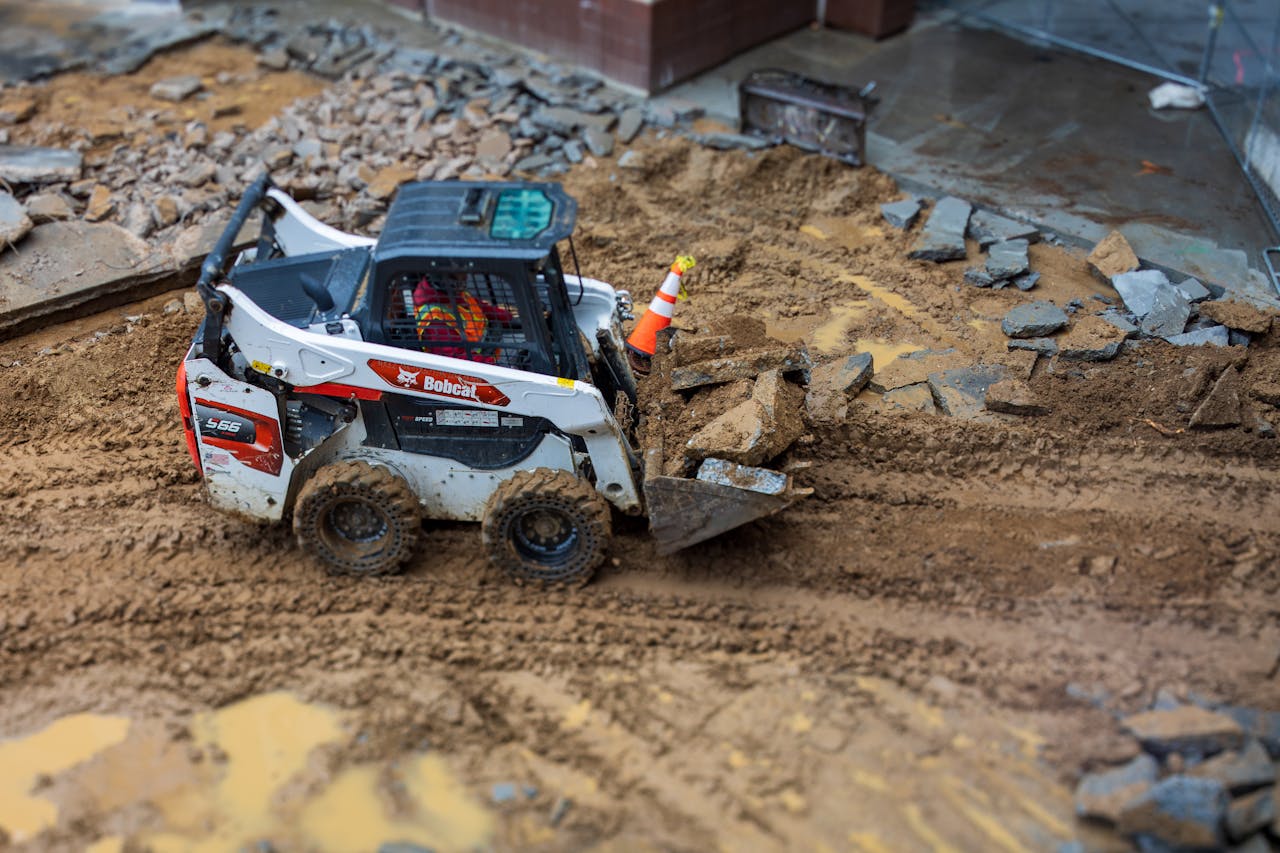
Skid steer loaders serve multiple functions on residential construction sites due to their compact size and attachment compatibility. These machines navigate tight spaces while providing substantial lifting capacity for their footprint.
The four-wheel steering system allows rotation within the machine’s own length, making them ideal for confined work areas. Equipment suppliers, such as Lilly Kubota, maintain fleets of skid steers in various sizes, and specialized construction equipment dealers offer daily, weekly, or monthly purchase agreements or leases, depending on project duration.
Compact Excavators for Precision Work
Mini excavators provide digging capabilities similar to full-size machines but with reduced ground pressure and smaller dimensions. These tracked machines excel at foundation excavation, utility trenching, and detailed grading work in residential settings.
The hydraulic systems deliver precise control for working near existing structures or underground utilities. Rental availability exists through general equipment rental businesses, construction-specific rental yards, and some landscape supply centers that cater to contractors.
Demolition and Site Clearing Requirements
Renovation projects and teardown-rebuild scenarios require removing existing structures and debris. Breaking concrete, pulling out old foundations, and clearing vegetation prepare sites for new construction activities.
The scale of demolition work determines whether specialized attachments or dedicated demolition equipment becomes necessary. Proper debris removal equipment helps maintain organized work sites and supports efficient material disposal practices.
Concrete Placement Equipment
Pouring foundations, slabs, and hardscaping elements requires moving wet concrete from delivery trucks to final placement locations. The distance from street access to pour locations affects whether wheelbarrows, concrete buggies, or pumping equipment becomes necessary.
Time constraints exist once concrete mixing begins, making efficient placement equipment important for quality results. Concrete pumping services operate independently from general equipment rentals, with companies specializing specifically in concrete placement solutions.
Compaction and Grading Tools
Proper soil compaction prevents future settling that can damage foundations and hardscaping features. Plate compactors, jumping jacks, and roller compactors serve different compaction needs based on soil types and area sizes.
Grading work establishes proper drainage patterns and finished elevations around structures. Walk-behind equipment for compaction and fine grading is available through the same rental facilities that provide larger machinery.
Lifting and Elevated Work Access
Residential construction frequently requires working at heights for roofing, siding, and upper-story tasks. Scaffolding, aerial lifts, and telehandlers each serve different elevated access needs based on working heights and load requirements.
Safety regulations and practical considerations both influence which lifting solutions work best for particular situations. General equipment rental companies typically stock various access equipment options, while specialized scaffold companies focus specifically on scaffolding systems and installation services.
Utility Installation Equipment
Installing water lines, electrical conduits, and drainage systems involves specialized trenching and boring equipment. Narrow trenchers create precise excavations for underground utilities with minimal surface disruption.
Horizontal boring equipment allows utility installation without extensive surface excavation when crossing driveways or existing features. Utility-specific equipment rental sometimes comes from specialized underground construction equipment providers rather than general rental yards.
The equipment used in residential construction plays a fundamental role in project success and efficiency. From initial site preparation through final grading, different machinery types address specific construction needs at various project stages. Access to appropriate equipment through rental services provides flexibility for projects of different scales and durations.
Taking time to understand equipment capabilities and availability helps construction teams work more effectively while managing both budget considerations and project timelines. The combination of proper planning and suitable machinery selection creates the foundation for successful small-scale construction outcomes.
