


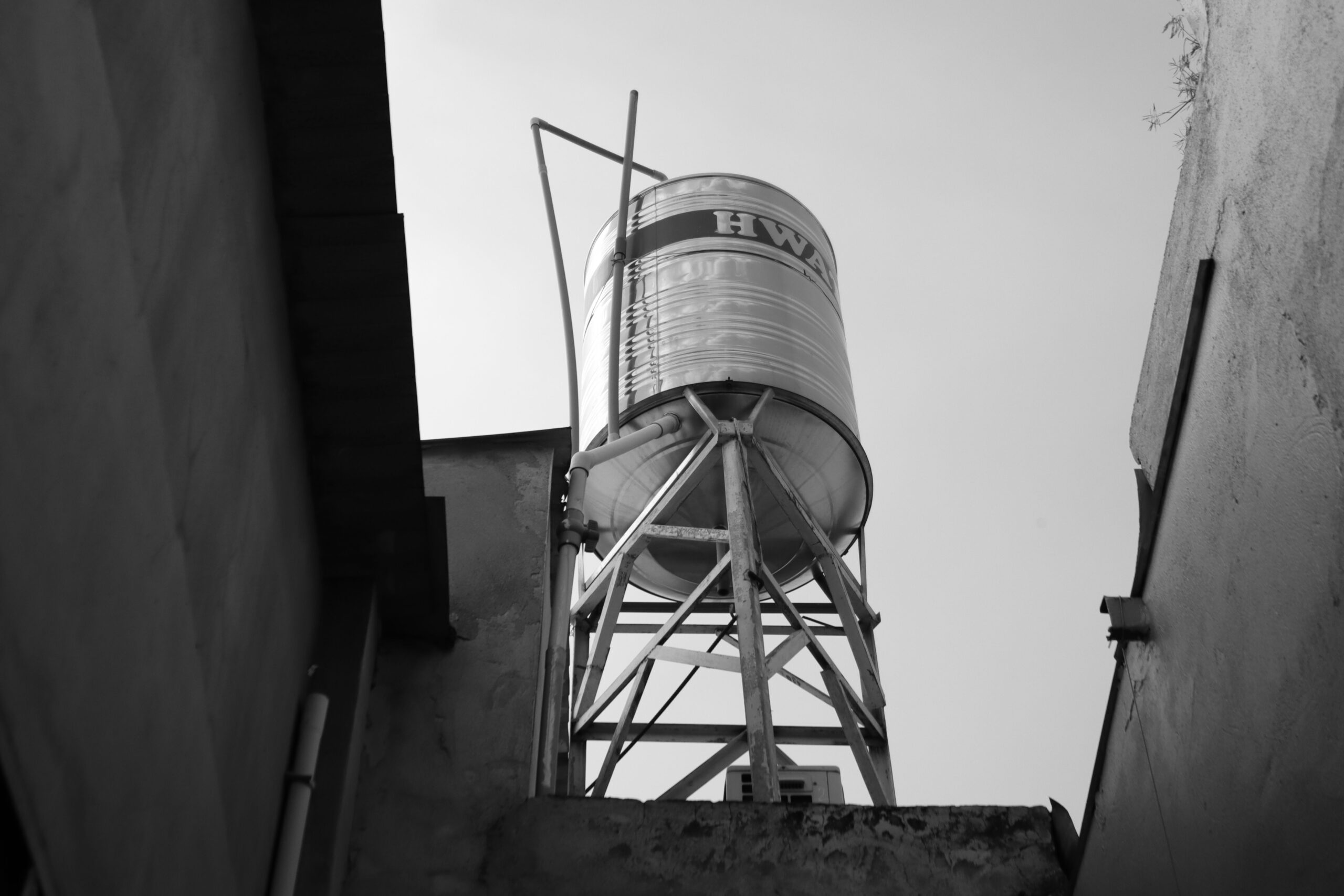
Reliable water storage plays an important role in homes, farms, commercial properties, and industrial facilities. Whether water is needed for daily use, irrigation, emergency reserves, fire protection, manufacturing, or landscaping, having a dependable storage system helps maintain a steady supply when demand changes. Choosing the right tank begins with understanding how different designs perform in various environments.
A vertical water tank is a common choice because it provides substantial storage while using less ground space than many other tank styles. Its upright design allows property owners to maximize available space without sacrificing storage capacity. Learning about the features, installation needs, maintenance requirements, and practical applications of this type of tank helps support informed decisions before investing in a water storage system.
Choosing the Right Capacity
One of the first decisions involves selecting a tank with enough capacity to meet current and future water needs. A tank that is too small may require frequent refilling, while one that is much larger than necessary could occupy more space than required and increase installation costs. Estimating daily water usage provides a practical starting point when comparing available sizes.
Water demand varies depending on how the stored water will be used. Residential systems may support household backup supplies, gardening, landscape irrigation, livestock care, outdoor cleaning, and rainwater collection. Commercial and agricultural properties often require much greater storage because of larger operations and higher daily consumption.
Planning for future growth can also be beneficial. Expanding landscaping, additional buildings, increased occupancy, changing irrigation needs, seasonal water demand, or emergency preparedness may all influence the ideal storage capacity over time.
Selecting Durable Materials
Material selection affects both the lifespan and performance of a storage tank. Many modern tanks are manufactured from polyethylene, fiberglass, steel, or other durable materials designed to withstand changing weather conditions, moisture, sunlight, temperature fluctuations, and regular outdoor exposure.
A vertical water tank made from high-quality materials can resist corrosion, reduce maintenance needs, and provide dependable performance for many years. The choice often depends on the intended application, local climate, installation location, water quality requirements, and expected operating conditions.
Ultraviolet protection also deserves attention when tanks remain outdoors throughout the year. Materials designed to resist prolonged sun exposure help reduce surface deterioration while maintaining structural integrity during changing seasonal conditions.
Preparing a Stable Installation
Proper installation contributes significantly to the long-term performance of any water storage system. Even a well-built tank depends on a stable foundation that supports its full weight when completely filled. Concrete pads, compacted gravel, reinforced bases, level surfaces, engineered foundations, and proper drainage all help create suitable installation conditions.
The installation site should also allow convenient access for inspections, maintenance, cleaning, repairs, and future service. Positioning the tank near water supply connections while maintaining adequate working space simplifies routine care throughout its lifespan.
Site preparation also includes evaluating drainage around the tank. Preventing standing water near the foundation helps reduce erosion while protecting the stability of the supporting surface over time.
Maintaining Reliable Performance
Regular maintenance helps preserve water quality while extending the service life of the storage system. Periodic inspections allow property owners to identify small concerns before they become larger problems. Checking for leaks, inspecting fittings, examining valves, monitoring overflow systems, cleaning debris, and evaluating structural components all contribute to dependable operation.
Cleaning schedules depend on water source, usage, environmental conditions, sediment levels, seasonal weather, surrounding vegetation, and local water quality. Removing accumulated sediment and organic material helps maintain cleaner stored water while reducing unnecessary buildup inside the tank.
Routine inspections also provide an opportunity to verify that support structures remain level and stable. Detecting foundation movement, loose fittings, damaged pipes, aging seals, or worn components early often reduces repair costs while minimizing interruptions to water storage.
Supporting Long-Term Water Storage
Reliable water storage begins with thoughtful planning and continues through proper installation, regular maintenance, suitable material selection, capacity planning, and ongoing inspections. Each decision contributes to a system that performs consistently while supporting changing water needs throughout the year.
Whether serving a home, agricultural operation, commercial facility, or industrial property, a carefully selected vertical water tank provides practical storage while making efficient use of available space. By understanding capacity requirements, installation considerations, maintenance practices, and long-term performance factors, property owners can make informed choices that support dependable water management for many years.