


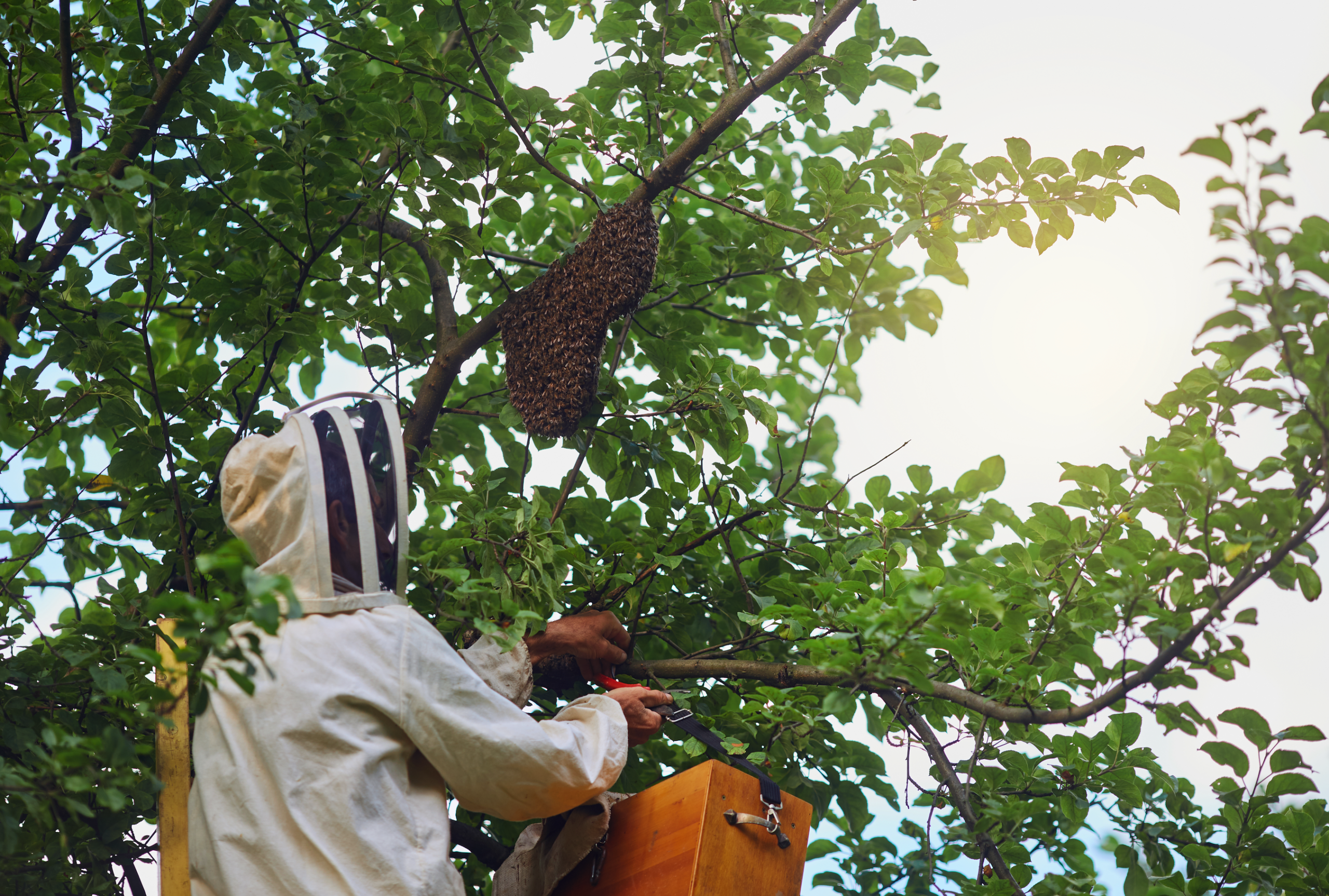
Bees play an essential role in maintaining healthy ecosystems and supporting global food production. As key pollinators, they help fertilize plants that produce fruits, vegetables, nuts, and seeds. However, when bee colonies build hives in homes, commercial buildings, or high-traffic outdoor areas, they can pose safety concerns for people nearby. This is where bee relocation becomes an important and responsible solution. Instead of exterminating the colony, relocation carefully moves bees to a safer habitat where they can continue to thrive.
In this blog post, we’ll explore how bee relocation protects both people and pollinators. Read on!
Preserving Vital Pollinator Populations
Relocating bee colonies helps ensure that these important pollinators remain active in the environment. Bees are responsible for pollinating a significant portion of the world’s crops, making them critical to both natural ecosystems and agricultural productivity. By safely transferring a colony to a suitable location, beekeepers and relocation specialists help maintain healthy bee populations that continue their pollination work.
This approach is particularly important as many bee species have experienced population declines in recent years. Rather than destroying a hive, relocation protects thousands of bees that contribute to plant reproduction and food production. Preserving these colonies supports ecological balance and strengthens the resilience of local ecosystems.
Preventing Risks for Homes and Businesses
When bees establish a hive inside walls, attics, chimneys, or outdoor structures, they can create safety concerns for residents, employees, and visitors. Although bees are generally not aggressive unless disturbed, a hive located in a busy area increases the likelihood of accidental encounters. Bee relocation removes the colony from these locations, reducing the risk of stings and helping people feel safe in their homes or workplaces.
Relocation also prevents structural issues that may arise when a hive grows over time. Honey, wax, and hive materials can accumulate inside building cavities, potentially causing damage or attracting pests. By addressing the situation early through professional bee relocation, property owners can protect their buildings while resolving the issue in a humane and environmentally responsible way.
Supporting Responsible Wildlife Management
Bee relocation reflects a broader shift toward humane and sustainable wildlife management practices. Instead of relying on extermination methods that eliminate beneficial species, relocation prioritizes coexistence and conservation. Specialists carefully remove the hive, collect the bees, and transport the colony to a safer environment such as a managed apiary or natural habitat.
This process requires skill and knowledge of bee behavior to ensure that the colony remains intact and healthy during the move. Responsible relocation professionals use techniques that minimize stress on the bees and allow them to quickly adapt to their new surroundings. As a result, both humans and pollinators benefit from a solution that respects the balance of nature.
Encouraging Environmental Awareness
Choosing bee relocation instead of extermination also helps raise awareness about the importance of pollinators. When homeowners and businesses opt for relocation, they demonstrate a commitment to environmental stewardship and sustainable practices. This decision encourages others in the community to consider wildlife-friendly solutions when dealing with similar situations.
Greater awareness can lead to more pollinator-friendly environments overall. Communities may become more supportive of planting pollinator gardens, reducing pesticide use, and protecting natural habitats. By highlighting the value of bees and the role they play in ecosystems, relocation efforts help inspire long-term conservation actions.
Bee relocation offers a balanced approach that protects both human safety and environmental health. By removing hives from high-risk areas while preserving the colony, relocation provides a practical solution to a common issue faced by homeowners and businesses. Instead of harming pollinators that are vital to ecosystems, this method allows bees to continue contributing to biodiversity and agriculture.
As awareness of pollinator conservation continues to grow, bee relocation is becoming the preferred option for managing unwanted hives. It demonstrates that effective pest management does not have to come at the expense of nature. Through thoughtful relocation practices, communities can protect people while supporting the pollinators that sustain our environment.