


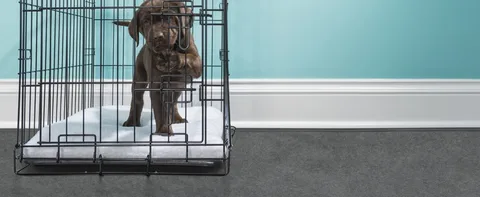
Dog crate training Scottsdale is a practical approach for helping dogs develop confidence, independence, and healthy routines. A properly introduced crate is not meant to be a place of punishment. Instead, it can become a safe and comfortable space where dogs can relax, sleep, and learn appropriate behavior.
Many dog owners struggle with issues such as destructive chewing, separation stress, house training challenges, and difficulty settling down. With consistent guidance and positive reinforcement, crate training can provide structure while strengthening the relationship between dogs and their owners.
Professional support from experienced trainers like Rob’s Dog Training helps families create a training plan based on their dog’s age, temperament, and individual needs. A thoughtful approach ensures that the crate becomes a positive part of daily life rather than a source of stress.
Understanding the Purpose of Dog Crate Training
A crate works as a management tool that supports communication between owners and their dogs. Dogs naturally seek comfortable spaces where they can rest, and a properly sized crate can provide that sense of security.
Crate training can help with several areas of dog behavior, including:
- Creating a consistent routine for puppies
- Supporting house training by encouraging bladder control
- Preventing unsafe chewing when supervision is limited
- Helping dogs relax during travel or unfamiliar situations
- Teaching independence and calm behavior
The goal is not to keep a dog confined for long periods. Instead, the goal is to teach the dog that the crate is a safe place where good things happen.
How Dog Crate Training Scottsdale Builds Confidence
Successful dog crate training Scottsdale focuses on gradual progress. Dogs need time to understand that entering the crate is their choice and that the space provides comfort rather than isolation.
Owners can begin by making the crate inviting. Adding comfortable bedding, safe toys, and occasional treats can help create positive associations. Feeding meals near or inside the crate can also encourage a dog to view the space as rewarding.
A simple introduction process may include:
- Leaving the crate door open and allowing the dog to investigate naturally.
- Rewarding the dog for showing interest in the crate.
- Encouraging short periods inside while remaining nearby.
- Slowly increasing the amount of time the dog spends resting inside.
Patience is essential. Forcing a dog into a crate too quickly can create fear and resistance, making future training more difficult.
Choosing the Right Crate for Your Dog
The right crate should provide enough room for a dog to stand, turn around, and lie down comfortably. A crate that is too small can feel restrictive, while one that is too large may reduce its effectiveness during puppy house training.
Owners should consider:
- The dog’s current size and expected adult size
- The crate material and durability
- Whether the crate will be used at home, during travel, or both
- The dog’s comfort and behavior patterns
Different dogs may respond better to different crate styles. Some prefer enclosed spaces that feel more like a den, while others may feel more comfortable with wire crates that provide visibility.
Common Crate Training Mistakes to Avoid
Many crate training problems happen because owners unintentionally create negative experiences. Understanding common mistakes can make the process smoother.
One frequent mistake is using the crate as punishment. If a dog only enters the crate after unwanted behavior, the dog may begin associating the space with fear or correction.
Other mistakes include:
- Expecting overnight success
- Leaving a puppy inside too long
- Skipping exercise and mental stimulation
- Ignoring signs of stress or discomfort
- Moving too quickly through training steps
Crate training should work alongside other areas of obedience training. Dogs still need exercise, socialization, playtime, and opportunities to interact with their families.
The Connection Between Crate Training and House Training
For many puppies, crate training supports the house training process by establishing predictable routines. Dogs generally avoid eliminating where they sleep, which can encourage better bathroom habits when combined with proper scheduling.
A consistent routine may include:
- Taking the puppy outside after waking up
- Providing bathroom breaks after meals
- Rewarding successful outdoor elimination
- Maintaining regular feeding times
However, crate training alone does not replace proper supervision. Puppies have limited bladder control, and owners need to provide frequent opportunities for success.
Helping Dogs Develop Calm Behavior
A major benefit of crate training is teaching dogs how to settle independently. Many dogs struggle with constant excitement, attention-seeking behaviors, or difficulty relaxing when their owners are busy.
A crate can become a place where dogs practice calmness. Over time, they learn that quiet behavior is rewarded and that they do not need constant interaction to feel comfortable.
This skill can be especially valuable for dogs that experience changes in their environment, such as new visitors, household routines, or travel situations.
Why Professional Guidance Can Improve Training Results
Every dog learns differently. Breed tendencies, previous experiences, age, and personality all influence how quickly a dog adapts to crate training.
Professional trainers can help identify challenges and create strategies that match the dog’s needs. Instead of relying on trial and error, owners can learn effective techniques for timing rewards, managing behavior, and building trust.
Rob’s Dog Training provides personalized training support designed to help Scottsdale-area families develop better communication with their dogs. A structured training plan can make the process easier while creating long-lasting results.
Creating a Positive Long-Term Relationship With the Crate
Crate training should remain a positive experience throughout a dog’s life. Even after a dog becomes comfortable using the crate, owners should continue maintaining positive habits.
Helpful long-term practices include:
- Occasionally rewarding crate use
- Keeping the crate clean and comfortable
- Allowing the dog to enter voluntarily
- Avoiding extended confinement
- Continuing obedience and enrichment activities
A well-trained dog is not simply one that follows commands. It is a dog that understands expectations and feels secure within its environment.
Build Better Habits With Dog Crate Training Scottsdale
Dog crate training Scottsdale gives owners a valuable tool for creating structure, improving behavior, and helping dogs feel more confident. When introduced correctly, a crate becomes more than a training device. It becomes a safe space that supports emotional security and healthy routines.
With patience, consistency, and the right guidance, crate training can help dogs become calmer and better prepared for everyday situations. Families looking for professional support can visit Rob’s Dog Training to learn more about personalized dog training solutions.
Visit robsdogs to learn more about dog training services and how professional guidance can help your dog develop lasting skills.