


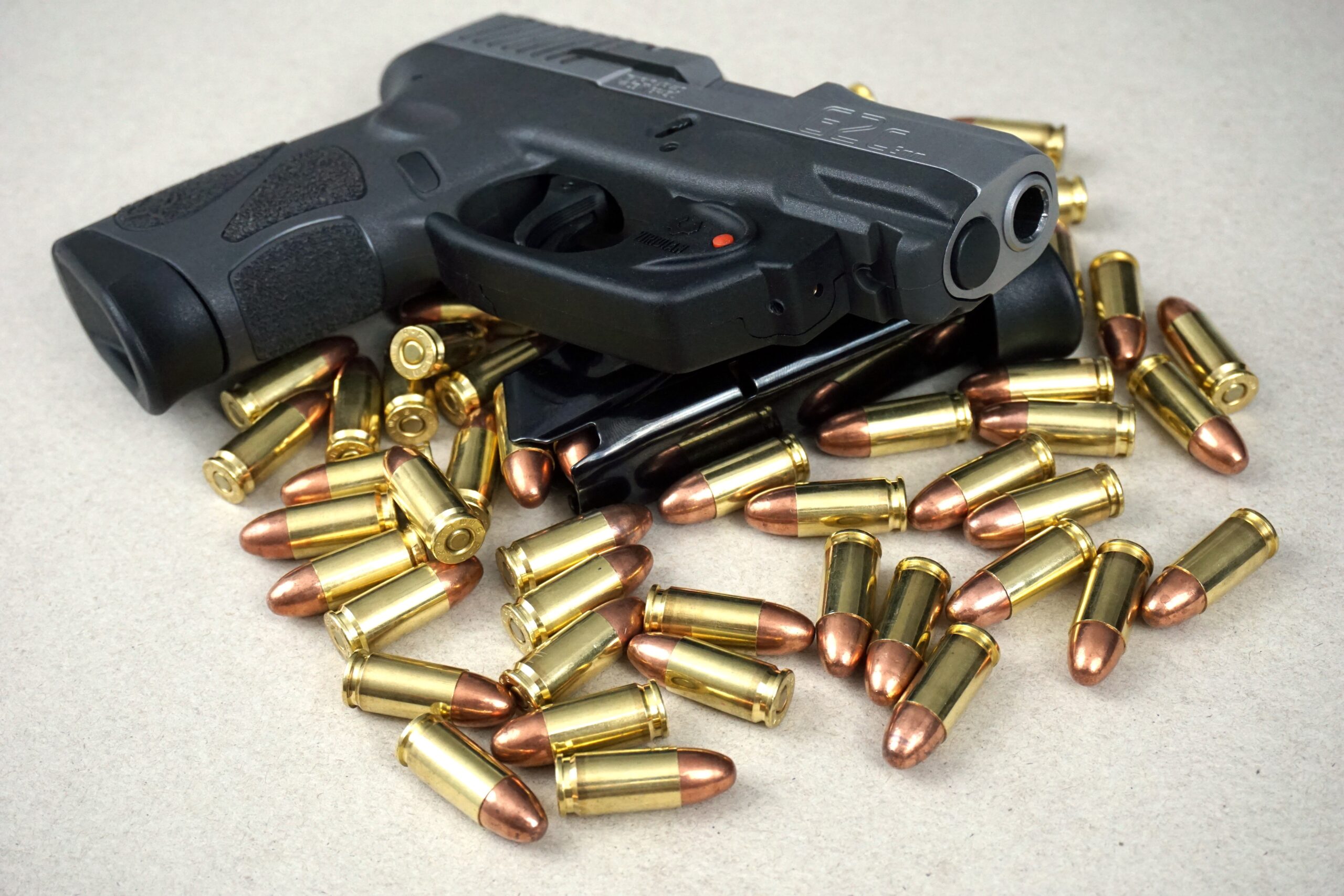
Reloading your own ammunition can be both rewarding and economical, and once-fired 9mm brass plays a key role in making that possible. It offers a practical way to keep costs down while maintaining control over your loads, but only if you start with quality materials. With so many options available from different sources, it’s important to know how to separate reliable brass from batches that may cause more trouble than they’re worth.
Before you make a purchase, understanding what to look for can help you get consistent performance, extend the life of your components, and make the most of your reloading process.
Check for Consistent Headstamps
Consistency in headstamps is one of the first things to evaluate when buying once-fired 9mm brass. Headstamps indicate the manufacturer and can affect how the brass performs during reloading. Mixed headstamps may still be usable, but they can introduce slight variations in case wall thickness, internal volume, and overall performance. If you are aiming for precision and uniformity, opting for batches with the same headstamp can help maintain consistency in your loads and improve accuracy over time.
Inspect for Physical Damage
Carefully examining brass for signs of damage is critical before making a purchase. Look for visible defects such as cracks, splits, dents, or deformations around the case mouth or body. Damaged brass can compromise safety and may fail during the reloading or firing process. High-quality once-fired brass should be free from major imperfections and should retain its original shape. Even minor flaws can affect performance, so it’s important to prioritize brass that has been properly inspected and sorted.
Confirm Proper Cleaning and Processing
The condition of the brass after it has been collected and processed plays a significant role in its usability. Reliable sellers typically clean their brass through tumbling or other methods to remove dirt, carbon, and residue. Clean brass not only makes the reloading process smoother but also reduces wear on your equipment. Additionally, some suppliers offer brass that has been deprimed or resized, which can save you time and effort. Understanding the level of processing included helps you determine the true value of your purchase.
Verify Primer Pocket Condition
Primer pockets are a crucial component to check when evaluating once-fired brass. Some 9mm brass may have crimped primer pockets, especially if it originated from military or law enforcement sources. These crimps need to be removed before reloading, which adds an extra step to your workflow. Ensuring that primer pockets are in good condition and free from damage or excessive wear will make the reloading process more efficient and reliable. When possible, confirm whether the brass has already been processed to remove crimps.
Evaluate Source and Seller Reputation
Where the brass comes from can significantly impact its quality. Brass sourced from indoor ranges is often in better condition because it is less exposed to the elements. On the other hand, brass collected from outdoor environments may show more wear or corrosion. Reputable sellers will clearly state the origin of their brass and provide details about how it was collected and processed. Reading reviews and checking customer feedback can give you confidence in the consistency and reliability of the supplier.
Consider Quantity and Pricing Value
Price is always an important factor, but it should be weighed alongside quality and consistency. Extremely low prices may indicate unsorted or poorly processed brass, which could lead to additional work or unusable cases. Compare pricing across different suppliers while taking into account whether the brass is cleaned, sorted, or processed. Buying in bulk can often provide better value, but only if the quality meets your standards. Striking the right balance between cost and reliability ensures you get the most out of your investment.
Ensure Compatibility With Your Reloading Setup
Not all once-fired 9mm brass will behave the same in every reloading setup. Variations in case dimensions, primer types, and overall condition can affect how smoothly the brass runs through your equipment. It’s important to choose brass that aligns with your reloading dies, press, and preferred components. Testing a small batch before committing to a larger purchase can help you identify any compatibility issues and avoid unnecessary complications.
Buying once-fired 9mm brass, such as those available at Precision Brass, requires more than just finding the lowest price. By checking for consistent headstamps, inspecting for damage, confirming proper processing, verifying primer pocket condition, evaluating the seller, considering value, and ensuring compatibility, you can make informed decisions that support safe and efficient reloading. Taking the time to assess these factors will help you achieve better results and maximize the longevity of your brass.