


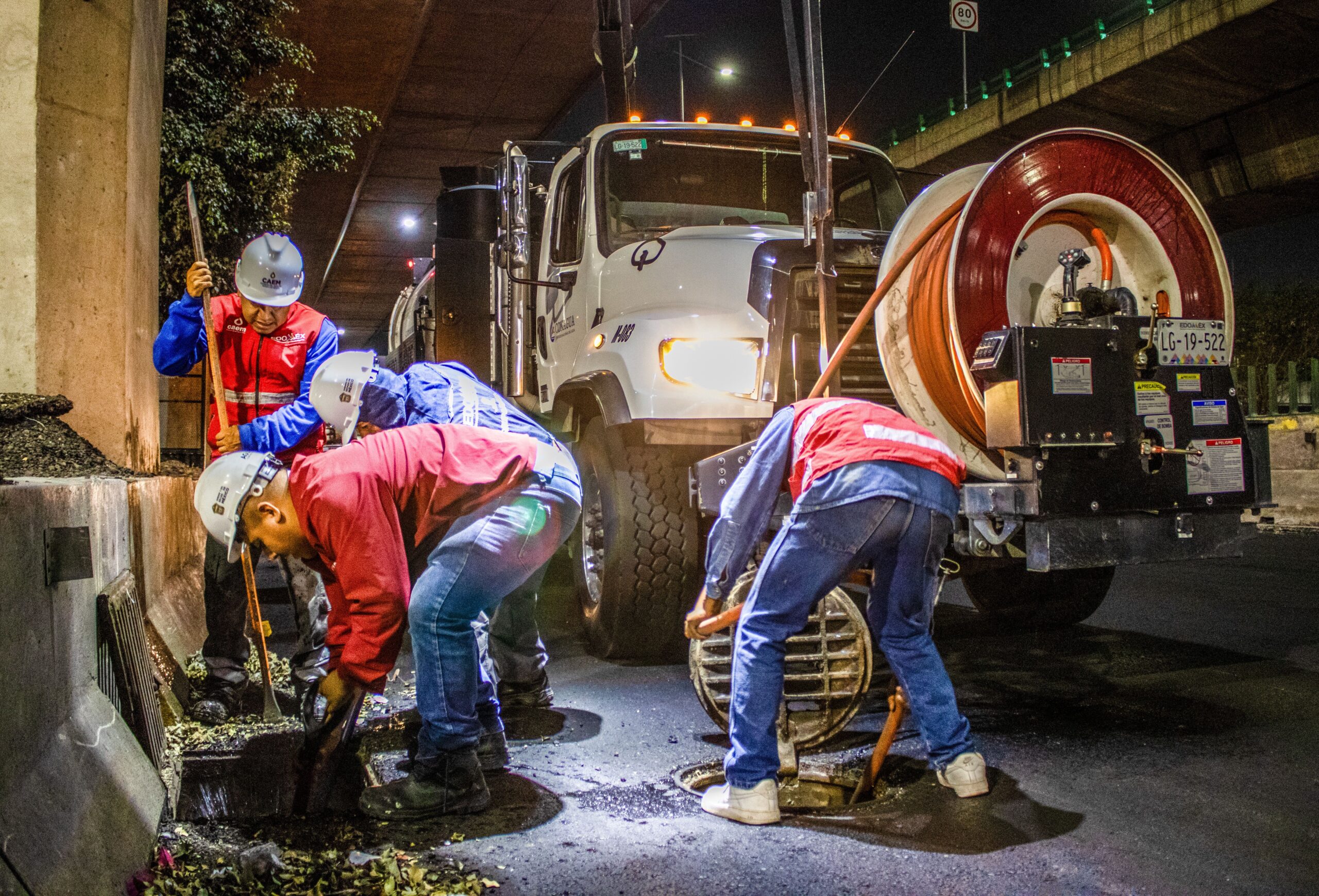
Owning a home means staying ahead of seasonal changes that impact plumbing infrastructure deep underground. As weather conditions shift throughout the year, changing temperatures and heavy rainfall place tremendous stress on main drainage lines. Taking time to inspect access points before severe weather hits saves homeowners from dealing with messy indoor sewage backups. This seasonal guide highlights why monitoring your primary drain access point protects property value and ensures long-term home comfort.
Understanding Your Main Access Point
Most modern homes feature a specialized capped pipe extending above ground that connects straight to the main underground drain. This direct access point allows technicians to inspect and clear major blockages without tearing up indoor flooring or landscaping. Finding this pipe before an actual emergency occurs helps homeowners react swiftly when drains start running slow.
Locating the pipe usually involves walking along the exterior perimeter of the home near the foundation walls. The cap should fit securely to prevent foul odors from escaping into surrounding outdoor living spaces. Knowing where this critical entry port resides ensures fast troubleshooting during unexpected plumbing crises.
Preventing Fall Leaves and Tree Root Damage
Seasonal transitions during autumn bring falling leaves and aggressive root growth as trees search for underground moisture sources. Thirsty tree roots easily find small cracks in aging pipe joints and expand inside the line over several months. Clearing debris around outdoor access caps prevents stray organic matter from entering the drainage system during routine maintenance.
When tree roots intrude into main lines, solid waste quickly catches on the wood fibers and restricts natural wastewater flow. Homeowners who monitor outdoor drain covers can spot early warning signs like pooling water or soft soil spots nearby. Addressing minor root intrusions during seasonal lawn maintenance stops full structural pipe collapses before winter arrives.
Handling Heavy Spring Rains and Storm Surges
Spring rains frequently saturate the soil around residential properties, placing intense external pressure on buried drainage lines. Excessive ground water can force its way through tiny gaps and overwhelm domestic plumbing systems during severe storms. Keeping outdoor cleanout caps tightly sealed prevents excess surface water from entering and overloading municipal sewer networks.
Saturated soil also causes slight shifts in the earth that stress older clay or iron underground pipes. Homeowners who inspect access points after heavy rainstorms can catch ground settling issues early. Maintaining clear drain openings allows storm runoff to flow away from home foundations without causing severe indoor flooding.
Clearing Blockages Before Extreme Winter Freezes
Winter brings freezing temperatures that solidify grease, oil, organic matter, and other stubborn waste trapped inside main drainage lines. Cold weather causes wastewater to move slower through cold underground pipes, increasing the risk of stubborn indoor blockages. Inspecting access points in late autumn ensures lines remain completely open before freezing weather locks the ground solid.
Trying to clear frozen or fully blocked main drains during a winter blizzard creates immense stress for household members. Running a thorough checkup prior to the first hard freeze eliminates trapped waste solids that could freeze solid. Proactive winter preparation guarantees that household fixtures drain smoothly throughout the coldest months of the year.
Scheduling Routine Professional Line Servicing
While homeowners can perform basic visual checks, thorough maintenance requires specialized tools and expert mechanical knowledge. Specialized equipment like motorized drain snakes and high-pressure water jetters break down stubborn grease buildup effectively. Utilizing sewage line clean out options allows technicians to restore full pipe capacity without damaging existing plumbing lines.
Professional plumbers also use tiny waterproof cameras to inspect inner pipe walls for subtle hairline cracks. Identifying structural defects early gives property owners time to plan minor repairs before catastrophic pipe failures occur. Partnering with certified professionals keeps domestic drainage networks running smoothly through every changing season.
Safeguarding Your Investment Year Round
Establishing a seasonal maintenance routine provides valuable peace of mind for property owners facing unpredictable weather patterns. Simple actions like clearing yard debris and checking outdoor pipe caps protect expensive household plumbing systems from premature failure. Investing a small amount of effort into routine care prevents costly emergency restoration projects inside living spaces.
Healthy drainage systems contribute directly to maintaining strong property values and comfortable living environments for families. Consistent upkeep transforms a potentially high-risk utility into a reliable background system that operates without sudden surprises. Seasonal preparation remains the single most effective way to guarantee smooth drainage for many years to come.