


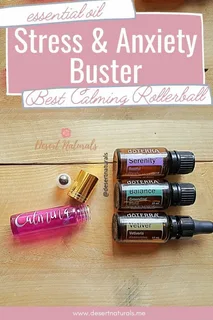
Stress has a way of following you home. It sits in your shoulders, races through your thoughts, and keeps you staring at the ceiling at 2 AM. While there is no magic fix, aromatherapy offers a simple, accessible way to calm your nervous system and create a space that feels genuinely peaceful. Essential oil diffusers turn concentrated plant oils into a fine mist that fills a room with therapeutic scent, allowing you to breathe in calming compounds throughout the day or night. The right oil in the right moment can slow your heart rate, ease tension, and shift your mood in minutes.
How Diffusing Essential Oils Supports Stress Relief
When you inhale essential oil molecules, they interact with olfactory receptors in your nose that send signals directly to the limbic system, the part of your brain that regulates emotions, memory, and stress response. Research published in journals like Evidence-Based Complementary and Alternative Medicine has shown that certain essential oils can lower cortisol levels, reduce heart rate, and improve subjective feelings of calm.
Essential oils are a supportive tool, not a standalone treatment. They work best alongside healthy sleep habits, movement, and professional support when needed.
The Best Essential Oils for Stress and Anxiety
Each of these oils brings something different to your diffuser. Some calm. Some uplift. Some ground. Knowing what each one does helps you pick the right oil for the right moment.
Lavender: The Classic Calming Oil
Lavender is the most widely studied essential oil for stress and anxiety. Multiple clinical trials have linked lavender inhalation to reduced anxiety scores, lower blood pressure, and improved sleep quality. It is gentle, universally pleasant, and pairs well with almost every other oil on this list.
Diffuse lavender in the evening, before bed, or any time tension starts building. It is the single most versatile calming oil you can own.
Chamomile: Soothing For An Overactive Mind
Roman and German chamomile are gentle, sedative oils known for promoting deep calm. Chamomile is especially helpful when anxiety shows up as racing thoughts, worry loops, or difficulty settling down at night.
Best diffusing moments include:
- Nighttime wind-down routines about 30 minutes before bed.
- Post-work decompression when your mind is still running through the day.
- During periods of rumination, when worry feels repetitive and hard to break.
Bergamot And Citrus Oils: Uplifting Yet Calming
Bergamot stands out among citrus oils for its unique ability to feel both uplifting and calming at the same time. Studies have shown that bergamot inhalation can reduce salivary cortisol and improve mood in as little as 15 minutes. Sweet orange, mandarin, and lemon offer similar mood-lifting properties with a brighter, lighter scent profile.
These oils work best during daytime hours when stress feels heavy, but you still need to function. They bring energy without the jittery edge that worsens anxiety.
Ylang Ylang, Clary Sage, And Geranium: Emotional Balance
These three oils are commonly grouped because they target emotional tension, mood swings, and the kind of irritability that comes from sustained stress.
- Ylang ylang has a rich, floral scent that slows heart rate and eases nervous tension.
- Clary sage is known for its calming, slightly euphoric quality that helps release mental tightness.
- Geranium balances mood and works well when emotions feel unsteady or reactive.
They blend beautifully together and are ideal when you want to feel more centred and less on edge.
Frankincense, Cedarwood, And Patchouli: Grounding Oils
When anxiety makes you feel scattered or disconnected, grounding oils bring you back. Frankincense has been used for centuries in meditation practices for its ability to deepen breathing and quiet the mind. Cedarwood has warm, woody tones that promote a sense of safety. Patchouli adds earthy depth that anchors restless energy.
Diffuse these oils during meditation, on high-stress days, or at bedtime when your mind refuses to settle. They pair especially well with lavender or chamomile for a deeply relaxing blend.
Rose, Jasmine, And Floral Comfort Oils
Rose and jasmine are heart-opening scents used across aromatherapy traditions for emotional soothing and gentle mood support. Rose otto is one of the most studied florals for anxiety, with research showing it can reduce breathing rate and blood pressure during stressful moments.
These oils are perfect for:
- Self-care evenings
- Difficult emotional days
- Whenever you need comfort that feels warm and nurturing
They are potent, so a single drop goes a long way in essential oil diffusers.
Peppermint And Rosemary: Clear Your Head
Peppermint and rosemary are energising oils that can help with the mental fatigue and brain fog that often accompany chronic stress. They are stimulating, though, which means they can feel overpowering for anxiety-prone individuals when used alone.
Use them sparingly and always blend with a calming base like lavender or cedarwood. Two drops of peppermint with four drops of lavender create a blend that clears mental fog without ramping up nervous energy.
Diffuser Blend Ideas for Stress and Anxiety
Pre-made blend recipes take the guesswork out of combining oils. Here are two reliable starting points.
Calming And Sleep Blend
This blend works well for evenings and bedtime routines:
- 3 drops of lavender for deep calm.
- 2 drops of Roman chamomile for mental quieting.
- 1 drop cedarwood for grounding warmth.
Daytime Calm Energy Blend
For focused calm during work or afternoon slumps:
- 3 drops of bergamot for an uplifted mood.
- 2 drops of clary sage for emotional balance.
- 1 drop frankincense for centred focus.
How to Use Essential Oils Safely in Your Diffuser
Safe diffusing protects your health and gets the best results from your oils. Follow these guidelines:
- Use 3 to 6 drops per session, depending on room size and diffuser type.
- Diffuse for 30 to 60 minutes at a time with breaks in between rather than running all day.
- Ventilate the room by keeping a window cracked or opening the door periodically.
- Keep essential oil diffusers away from pets, especially cats and birds, who are sensitive to certain compounds.
- Check with a healthcare provider before diffusing around pregnant women, infants, or anyone with asthma or respiratory conditions.
Always use pure, therapeutic-grade essential oils. Synthetic fragrance oils do not provide the same benefits and may contain irritants.
When Essential Oils Are Not Enough
Aromatherapy is one tool in a larger stress-management toolkit. If anxiety is persistent, worsening, or interfering with daily life, seek support from a mental health professional. Essential oils complement therapy, sleep hygiene, exercise, and medical treatment. They do not replace them.
Takeaway
The right essential oil in your diffuser can shift a stressful room into a calming space within minutes. Lavender, chamomile, bergamot, frankincense, and the other oils on this list each bring something different to the table, and learning which ones match your needs makes all the difference between a nice smell and genuine relief.
anatomē formulates its essential oil blends with exactly that intention: real relief, not just fragrance. Every blend is built from pure, sustainably sourced oils at clinically informed ratios, designed to support sleep, calm, and focus when you need it most. Explore their essential oil collection and bring real calm into your daily routine.