


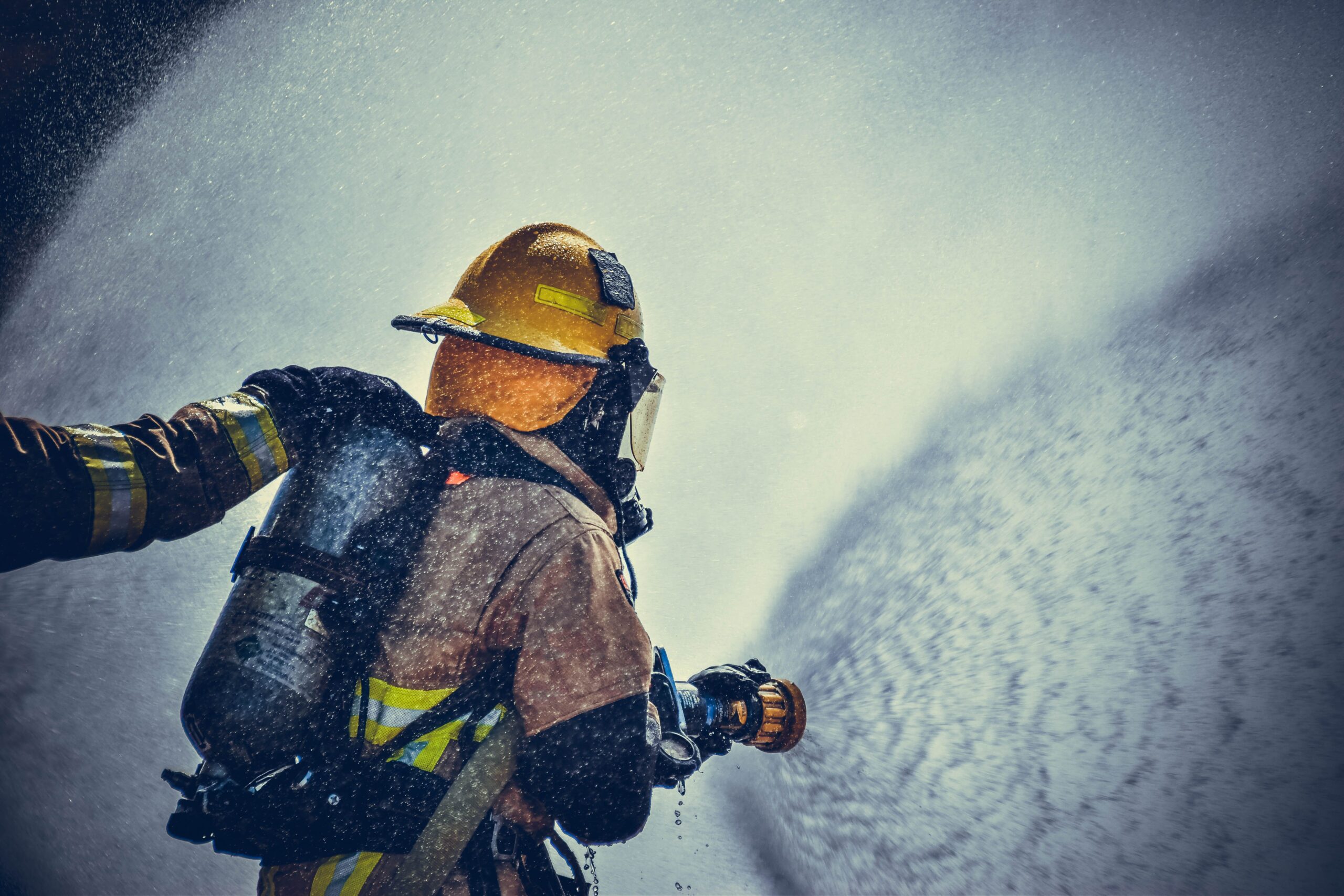
Stepping onto a transport vehicle heading toward a remote wildfire requires immense mental toughness and physical preparation. For wildland firefighters, a standard two-week deployment in rugged terrain makes the pack on their back a primary lifeline. Packing too much leads to premature physical exhaustion, while leaving out an essential tool can jeopardize safety during sudden weather shifts.
Stepping onto a transport vehicle heading toward a remote wildfire requires serious physical and mental preparation. For wildland firefighters on a two-week deployment, the pack on their back is a critical lifeline. Packing too heavily causes premature exhaustion, while missing an essential tool jeopardizes safety during sudden weather shifts.
Packing Personal Hydration Systems and High-Calorie Nutrition
Working alongside an active fire front in the heat of July drains the human body of moisture at an alarming rate. Firefighters routinely consume multiple gallons of water every day to prevent heat illness during heavy line construction. A reliable setup must feature heavy-duty water bladders paired with durable side canteens to ensure an uninterrupted fluid supply.
These containers need reinforced casings to withstand drops onto jagged granite and sharp brush. Food choices must prioritize calorie density and heat stability without spoiling. Hardcore crews skip bulky snacks for dense energy bars that survive the harsh climate.
Electrolyte replacement powders are equally vital, mixing easily into warm canteen water to provide an immediate burst of stamina. Keeping these fuel sources accessible inside external pockets prevents unnecessary delays when the crew takes a quick breathing spell. This quick access is critical during unexpected, extended shifts that run deep into the night.
Securing Personal Safety Equipment and Emergency Shelters
The most vital item in any wildland pack is the emergency fire shelter, a shield of last resort. This aluminum tent reflects extreme radiant heat if a crew gets trapped by rapid flame movement. The housing must remain completely undamaged to guarantee full thermal performance. Experienced operators inspect this casing every morning before stepping onto the line.
High-quality headlamps with fresh lithium batteries keep crews moving safely during smoky night operations when visibility drops to zero. Backup safety glasses and heavy-duty leather gloves protect sensitive eyes and skin from flying embers. These essentials form a protective barrier that keeps a firefighter functional when conditions turn chaotic. Neglecting these basic defensive pieces can turn a minor shift into a dangerous medical extraction.
Selecting Specialized Tools and Specialized Field Accessories
Maintaining communication and cutting fire lines requires durable hardware that handles immense abuse. Small tools like chainsaw files and extra spark plugs keep saws running smoothly without stalling. Hand tools must use protective sheath wraps to prevent sharp edges from slicing the pack fabric.
When crews source their fire line gear online, selecting rugged web gear and modular pouch attachments helps distribute this heavy tool weight evenly across the hips. Beyond standard digging equipment, small practical accessories like weather-resistant notebooks and bright flagging tape serve vital operational roles. Crew leads use these markers to map out escape routes and anchor points clearly through thick forest growth.
Digital radios require nylon sleeves to shield electronics from ash and unexpected downpours. Well-designed load-bearing systems prevent shoulder blisters during long uphill hikes into wilderness areas. This intentional layout keeps essential equipment secure and functioning under grueling field conditions.
Organizing Weather Protection and Spare Clothing Layers
Wildland environments shift from blistering daytime heat to freezing nights. Firefighters pack clean, flame-resistant undershirts in waterproof sacks to keep moisture out. Swapping damp socks for a fresh pair midway through a shift prevents debilitating blisters. These choices focus strictly on utility and thermal regulation.
Lightweight, windproof layers provide necessary warmth during chilly morning briefings before the sun climbs over the ridge line. These extra garments must fit snugly into the lower compartments of the pack without creating awkward bulges that throw off a hiker’s natural balance. Keeping these layers dry ensures that a sudden high-altitude thunderstorm does not result in hypothermia out on the line. A disciplined pack layout keeps these thermal layers isolated from leaking water canteens or oily chainsaw tools.
This strict organization keeps fresh clothes protected from dynamic environmental hazards during transit between camp locations. Proper packing discipline means that regardless of the climate shift, a firefighter can adapt instantly without holding up the rest of the crew.
Maintaining Hygiene Essentials and Basic First Aid Supplies
Wildland environments shift from blistering heat to freezing nights. Firefighters pack flame-resistant undershirts in waterproof sacks to keep moisture out. Changing damp socks mid-shift prevents debilitating blisters, prioritizing utility and temperature control.
Small bottles of sunscreen and soothing eye drops provide immediate relief from bright sunlight and irritating wood smoke. A tight, zip-top bag keeps these personal items separated from the ash and charcoal coating the exterior of the pack. Taking care of these small physical needs prevents minor irritations from degrading focus during critical operational moments, keeping the entire crew operating at peak efficiency.
Conclusion
Surviving a grueling fourteen-day wildland assignment requires a deep respect for preparation and a carefully organized line pack. Every piece of hardware, from the emergency shelter to the spare socks, plays a vital role in keeping a firefighter safe and productive. By focusing on durability and eliminating unnecessary weight, crew members protect their bodies from the physical toll of long-haul wilderness deployments. Proper preparation before leaving the home station ensures that when the call comes to dig line, the focus remains entirely on stopping the fire.