


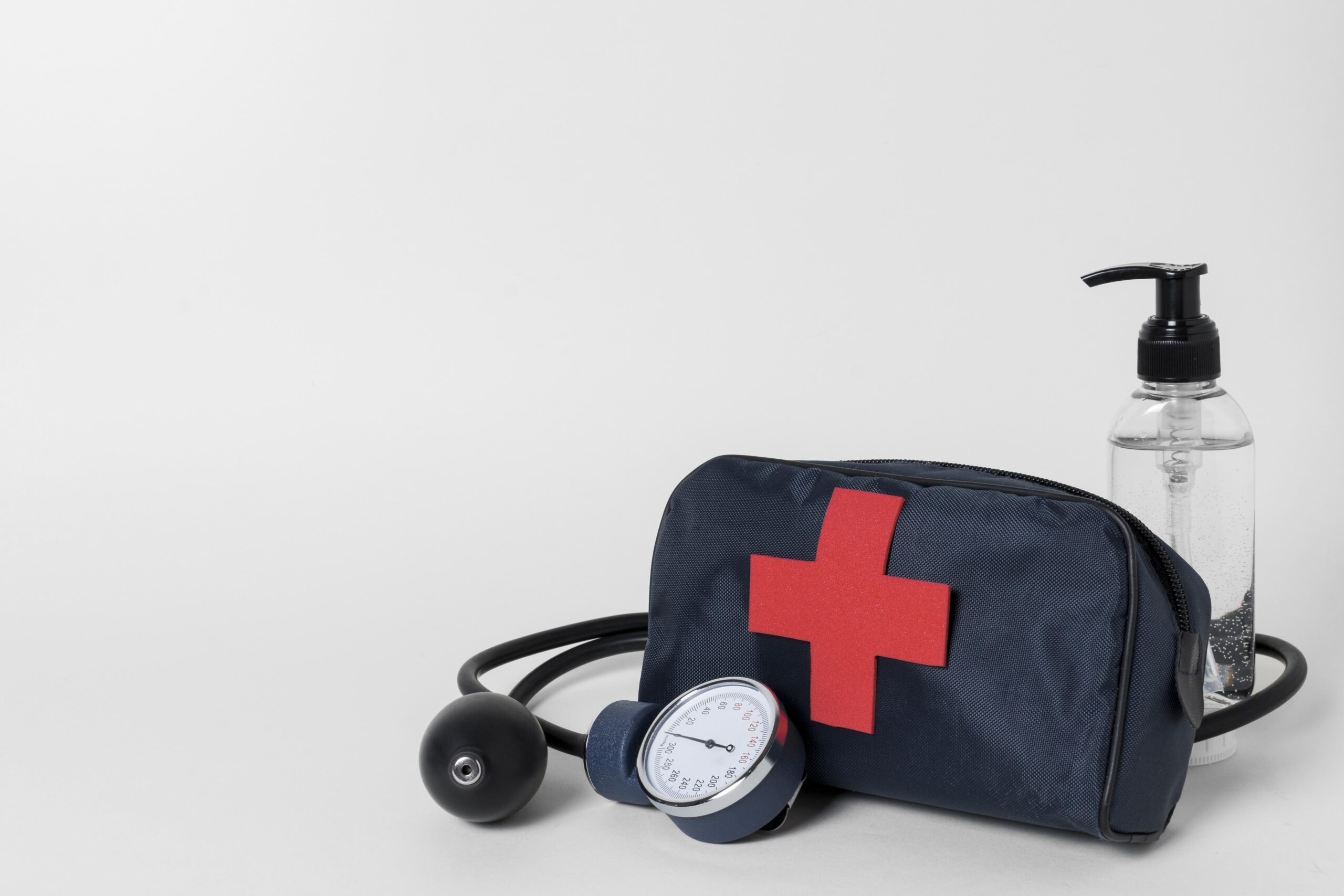
Emergency Medical Services (EMS) operate in high-pressure environments where every second counts. The ability to respond quickly, locate essential tools, assess patient needs, and deliver care efficiently can directly impact patient outcomes. EMS equipment modules have emerged as a critical solution for improving organization, accessibility, workflow efficiency, response speed, and operational coordination in emergency response systems.
These modular systems are designed to structure medical supplies in a way that supports rapid deployment, reduces confusion, and enhances overall operational efficiency. By transforming how equipment is stored and accessed, EMS modules play a vital role in modern pre-hospital care.
In this blog post, we’ll explore how EMS equipment modules help streamline emergency response efficiency. Read on!
Improving Equipment Organization
One of the primary benefits of EMS equipment modules is improved organization. Traditional medical bags often become cluttered over time, making it difficult for responders to locate specific items under pressure. Modular systems address this issue by dividing supplies into clearly defined sections based on function or usage.
This structured layout ensures that medications, airway tools, trauma supplies, and monitoring devices each have dedicated storage spaces. As a result, EMS personnel can quickly identify and retrieve what they need without wasting valuable time searching through disorganized kits.
Streamlining Response Preparation
EMS equipment modules also streamline the preparation process before and after emergency calls. Instead of manually checking individual items scattered across multiple compartments, responders can work through standardized modules that are easy to inspect, restock, and maintain.
This lessens the likelihood of missing or expired supplies and ensures that every kit is consistently prepared for deployment. The modular approach also simplifies training, as new personnel can quickly learn where items are located and how kits are structured, reducing onboarding time and improving readiness across teams.
Enhancing On-Scene Accessibility
During emergencies, accessibility is just as important as organization. EMS equipment modules, such as those available at FirstOutRescue, are designed with rapid access in mind, allowing responders to open only the section they need rather than unpacking an entire bag. This minimizes disruption at the scene and helps maintain focus on patient care.
Whether treating trauma injuries, managing cardiac events, or providing respiratory support, EMS professionals benefit from having critical tools immediately available. The intuitive layout of modules reduces cognitive load, enabling faster decision-making and more efficient treatment delivery in time-sensitive situations.
Supporting Mobility and Transport Efficiency
Mobility is a defining feature of effective emergency response, and EMS equipment modules contribute significantly to improving transport efficiency. These systems are often lightweight, durable, and ergonomically designed to be carried over long distances or through challenging environments.
By distributing weight evenly and reducing bulk, modular setups help prevent fatigue and improve maneuverability. This is especially important in scenarios involving multi-story buildings, outdoor incidents, or disaster zones where quick movement is essential. Efficient transport of equipment ensures that responders remain agile and ready to adapt to evolving situations.
Enhancing Standardization and Team Coordination
Another important advantage of EMS equipment modules is the standardization they bring to emergency response teams. When all responders use the same modular system, equipment placement becomes predictable and uniform across vehicles and kits.
This consistency enhances coordination during multi-responder incidents, as team members can assist each other without confusion about where supplies are stored. Standardization also improves communication and minimizes errors, ensuring that critical interventions are performed more smoothly and efficiently.
EMS equipment modules are transforming the way emergency medical teams operate by improving organization, accessibility, mobility, and standardization. In high-stakes environments where efficiency can determine outcomes, these systems provide a structured and reliable approach to managing essential medical supplies. By shortening search time, simplifying preparation, and supporting coordinated response efforts, EMS modules play a crucial role in enhancing the overall effectiveness of emergency care delivery.