


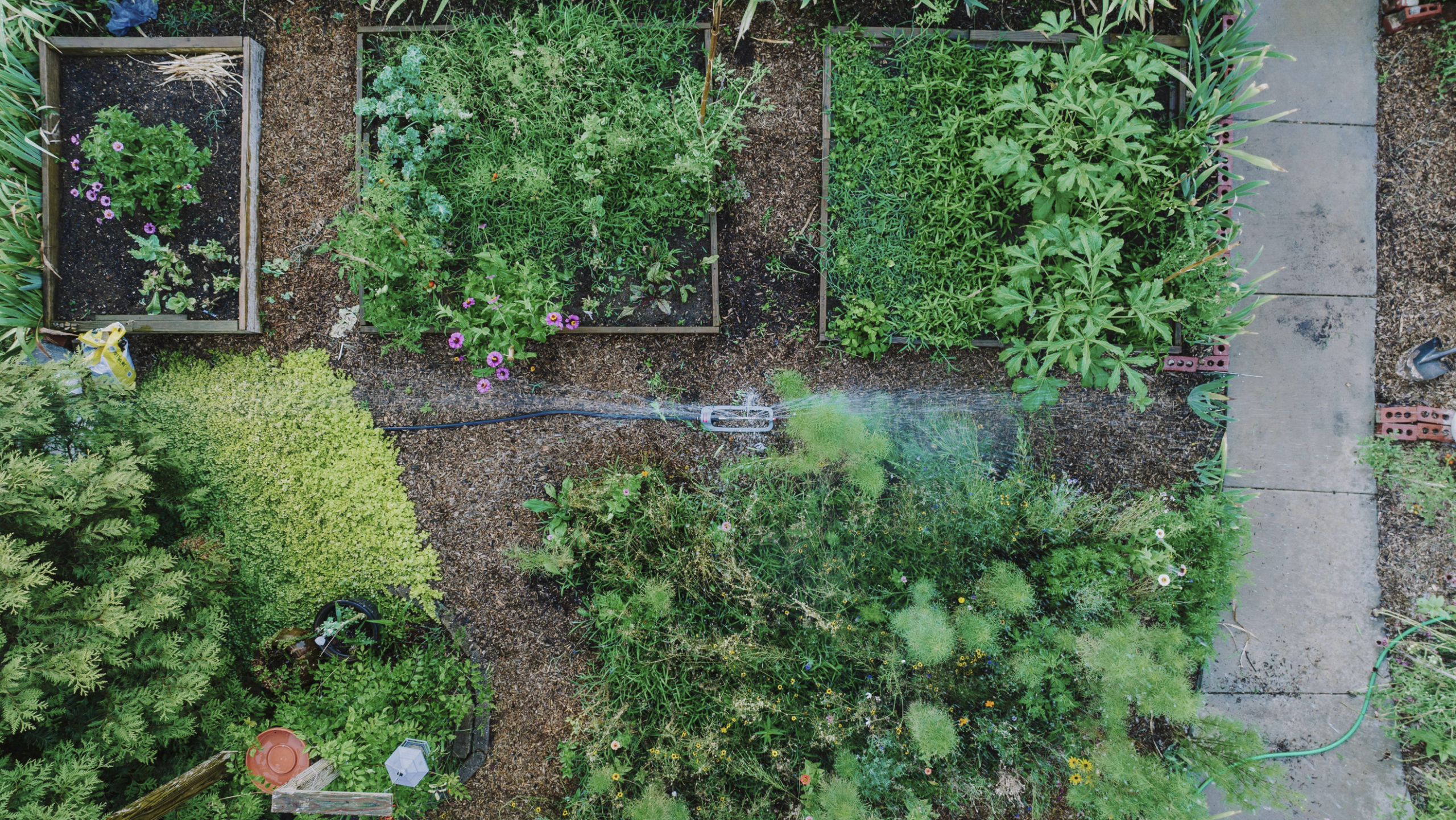
Creating a yard that balances beauty with sustainability is no longer just a trend – it’s a necessity. Nowadays, homeowners are discovering that water-efficient landscapes reduce utility bills and provide resilient outdoor spaces that flourish regardless of climate conditions.
This article will share tips and strategies on how you can design a yard that thrives in both dry summers and rainy seasons while supporting long-term ecological health.
Designing With Native and Adaptive Plants
The foundation of a water-efficient yard begins with plant selection. Native plants are naturally adapted to local conditions, meaning they require less supplemental watering and are more resistant to pests and diseases. Adaptive species also offer flexibility for homeowners seeking a diverse landscape.
By choosing plants that are suited to your region and can tolerate a wide range of climates, you reduce the need for constant maintenance and create a yard that feels harmonious with its environment. A well-planned mix of native grasses, shrubs, and flowering perennials can transform your outdoor space into a vibrant ecosystem that thrives with minimal intervention.
Improving Soil Health for Better Retention
Healthy soil is key to water-efficient landscaping. When soil is rich in organic matter, it retains moisture more effectively, reducing the frequency of irrigation. Choose from options like compost and mulch to improve soil structure and for roots to penetrate deeply and access water reserves during dry spells.
Mulching around plants also prevents evaporation and keeps soil temperatures stable, which is especially important in regions with fluctuating climates. By investing in soil health, you create a strong foundation that supports plant growth and minimizes water waste.
Installing Smart Irrigation Systems
Efficient watering practices are essential for maintaining a thriving yard. Traditional sprinklers often waste water through runoff and evaporation, but modern irrigation systems are designed to deliver water directly to plant roots. Drip irrigation, for example, ensures precise hydration while conserving resources.
Many homeowners also benefit from professional irrigation services like those offered by The Green House Nursery. Experts can provide tailored solutions that match the unique needs of your landscape, ensuring that every component, from water pressure to placement, is optimized for efficiency. If you also get regular maintenance, your irrigation system will run smoothly for a yard that continues to thrive season after season.
Creating Shade and Wind Protection
Microclimates play a significant role in water efficiency. By strategically planting trees and shrubs, you can create shaded areas that reduce evaporation and protect delicate plants from harsh sun exposure. Options like hedges or fences help minimize moisture loss by shielding soil and plants from drying winds and conserving water.
These natural barriers also add structure and visual interest to your yard. Over time, they contribute to a more balanced environment where plants can thrive without constant watering.
Incorporating Hardscapes and Permeable Surfaces
Water-efficient yards greatly benefit from thoughtful hardscape design. Permeable surfaces, like porous pavers or gravel pathways, allow rainwater to absorb into the ground rather than running off into storm drains.
Having these solid surfaces bordering your landscaping reduces erosion and replenishes groundwater supplies. They also provide functional outdoor living areas that require little to no irrigation. Integrating patios, seating areas, and walkways into your design will also help you create a landscape that is both inviting and sustainable for your outdoor living space.
Conclusion
More than saving resources, investing in a water-efficient yard is also about creating a resilient outdoor space. As a homeowner, you can feel confident that your yard can adapt to changing climates while supporting long-term sustainability, especially when you take advantage of professional services that bring expertise and advanced technology.
Every choice you make contributes to a landscape that thrives with less water. These strategies will help you enjoy a beautiful, functional, and eco-friendly outdoor environment for years to come.